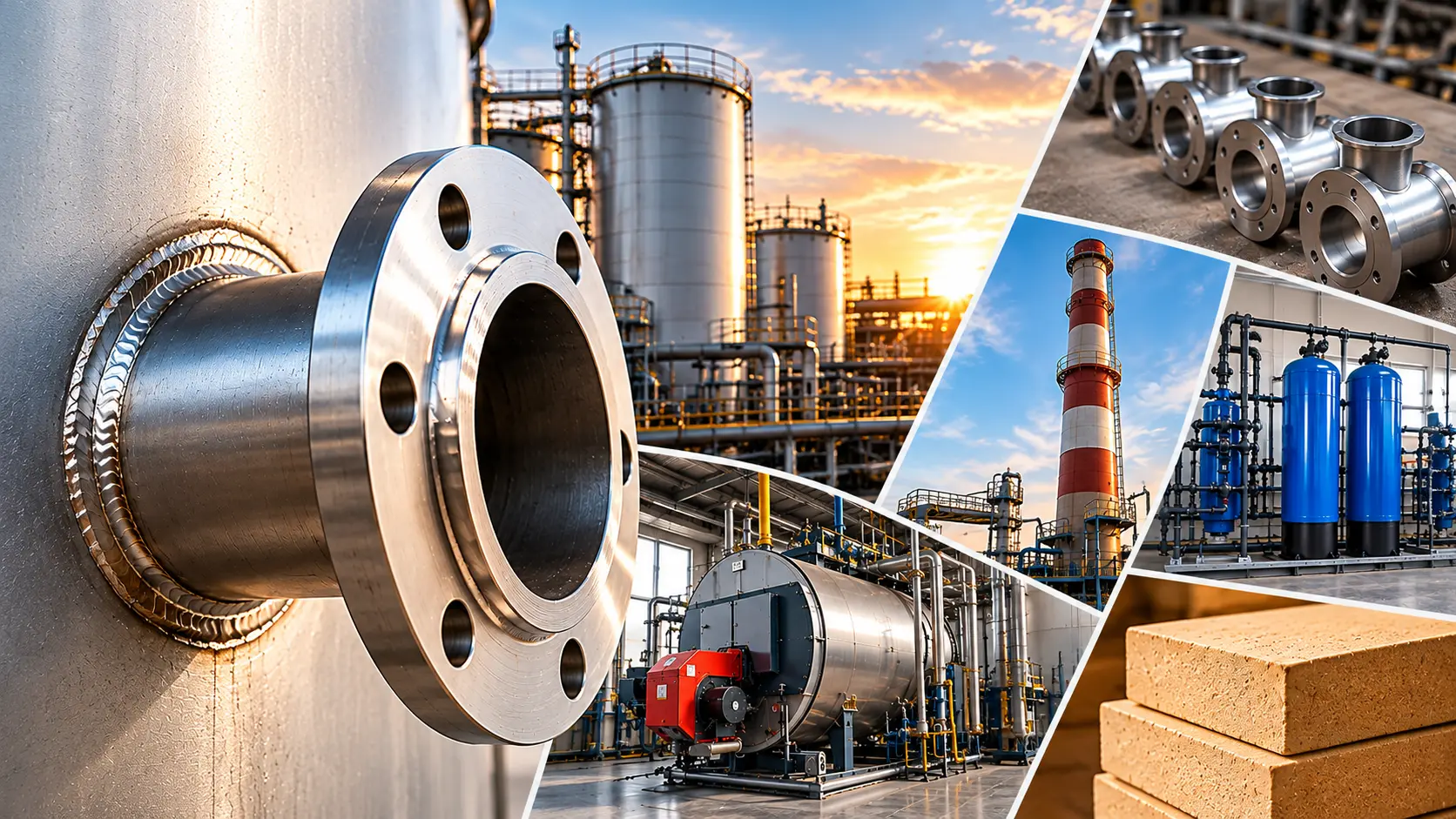
Choosing the Right Components for Industrial Process Systems
Industrial plants rely on a wide range of components to maintain controlled and efficient operations. While large equipment often receives […]
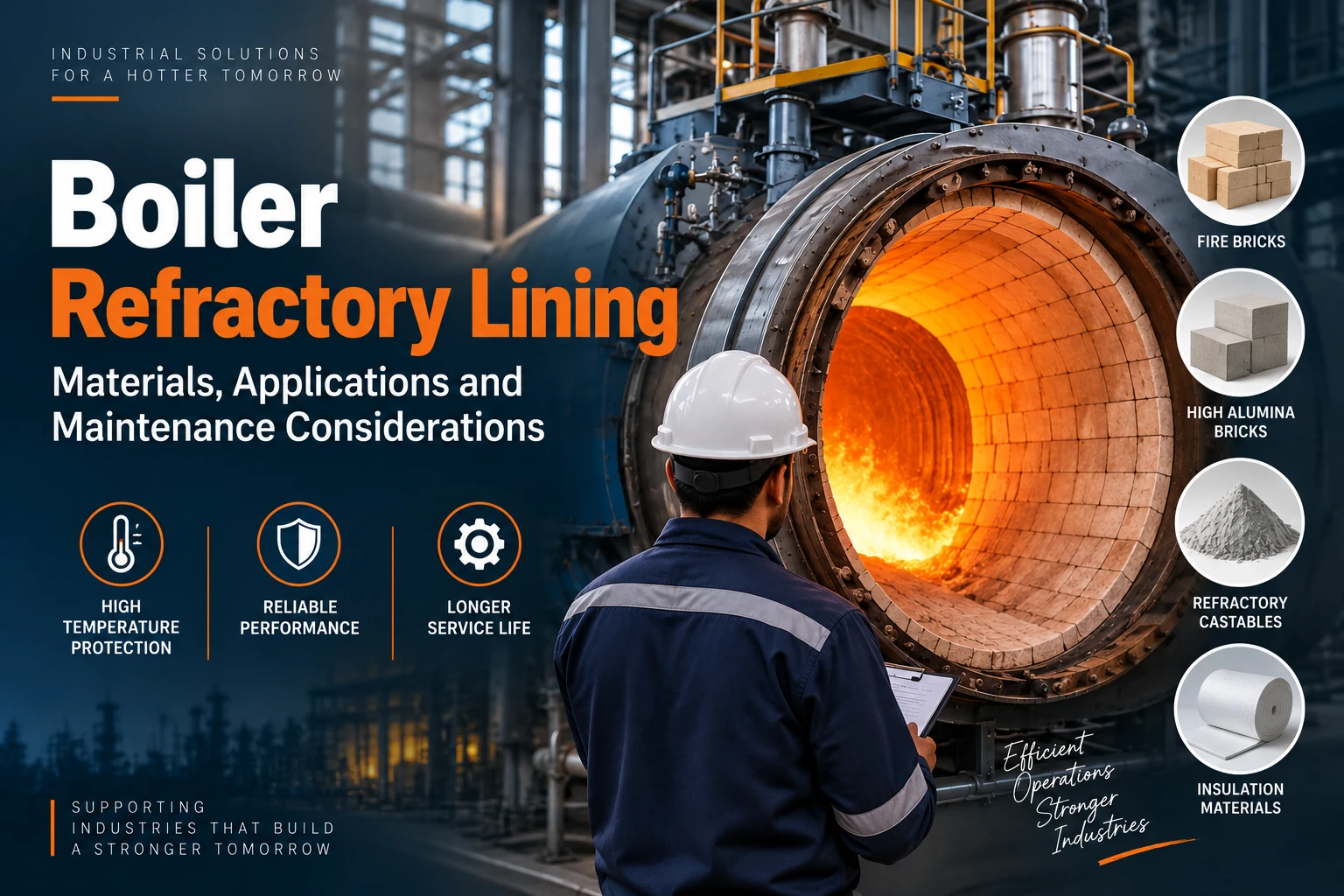
Boiler Refractory Lining: Materials, Applications and Maintenance Considerations
The Refractory lining of the boiler protects the inner surfaces of the boiler exposed to high temperature, combustion gases and […]
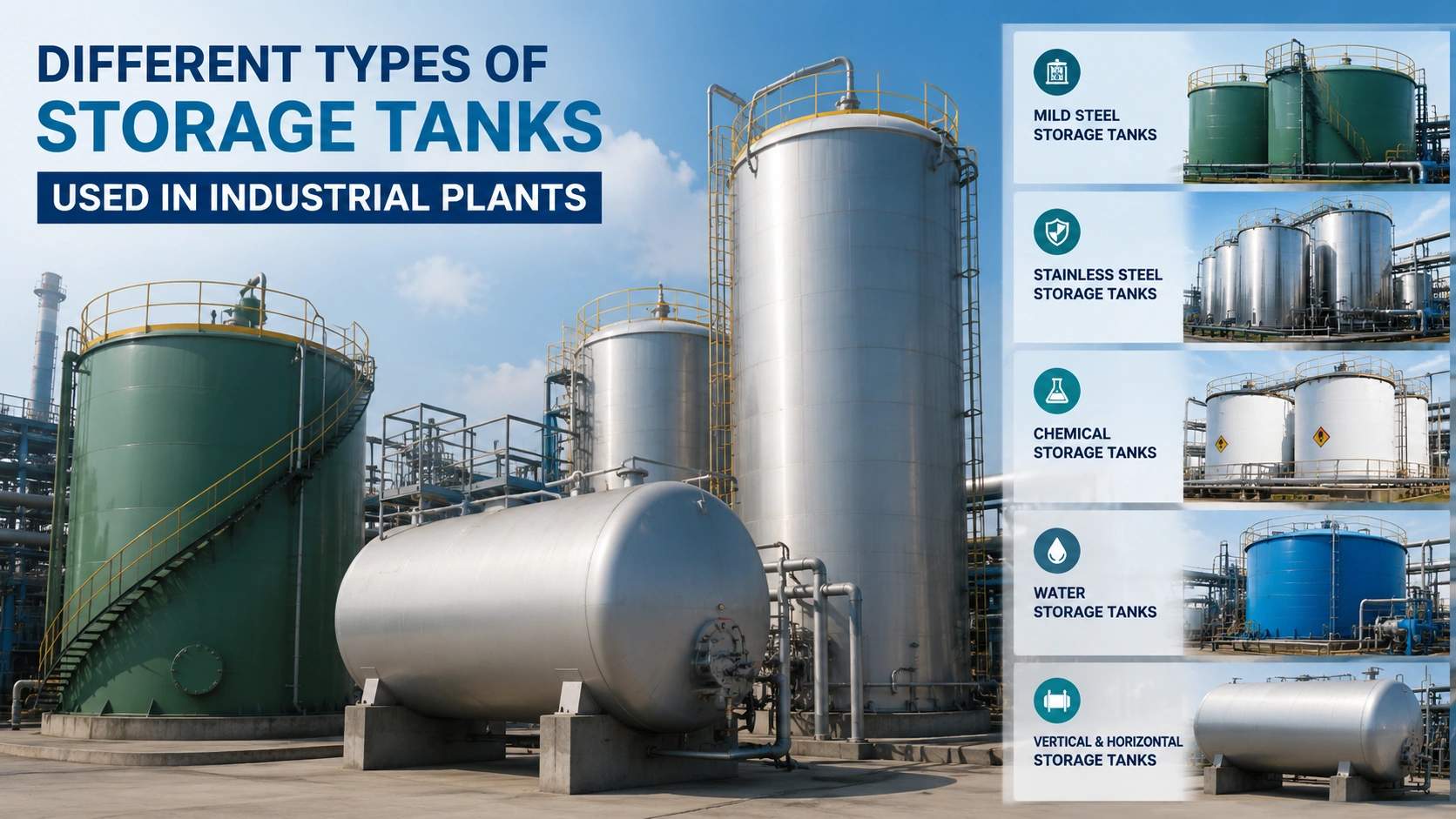
Different Types of Storage Tanks Used in Industrial Plants
Storage tanks are a critical part of almost every industrial facility, holding everything from raw materials and process chemicals to […]
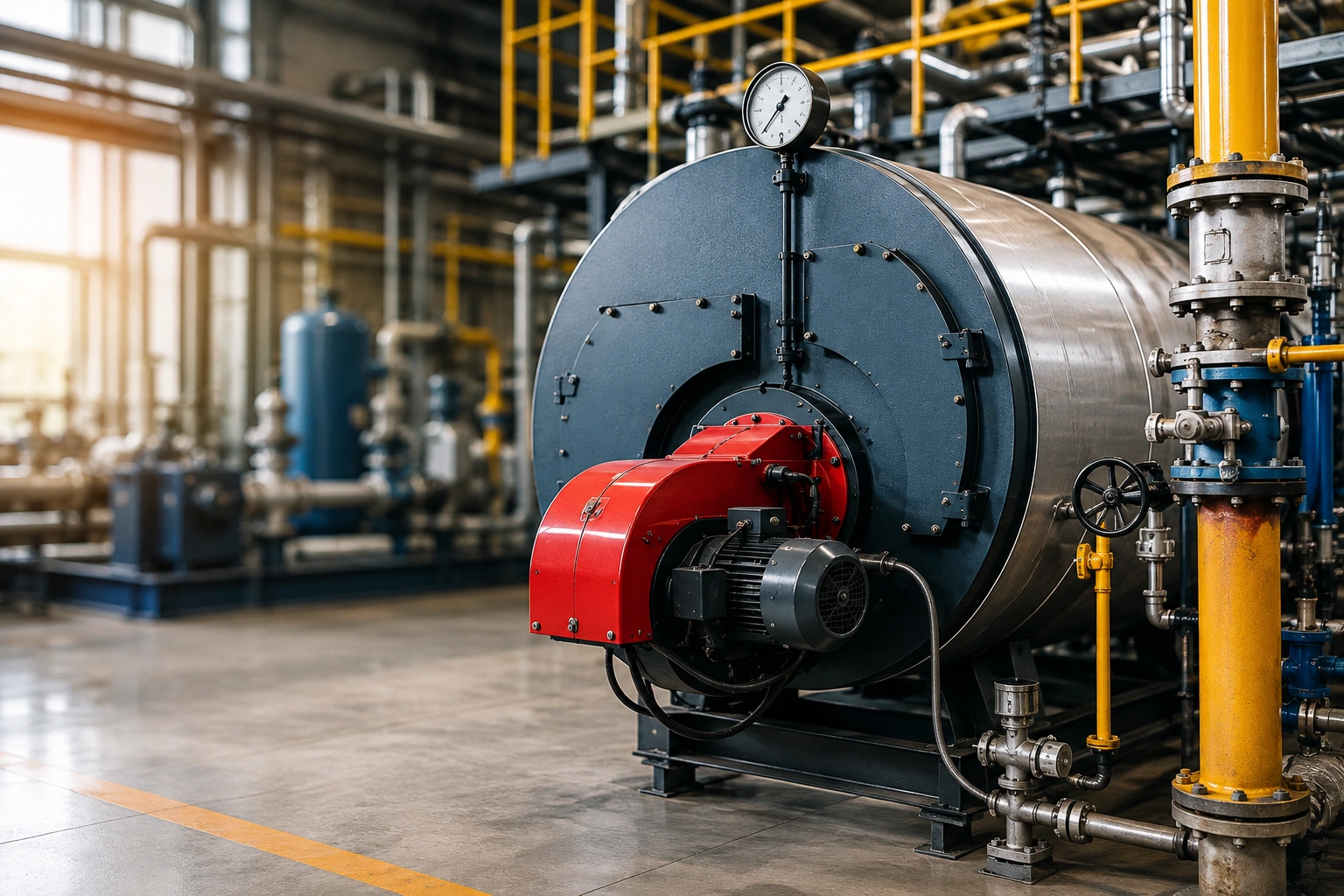
Common Boiler Safety Issues and Their Solutions
Industrial boilers are among the most critical assets in manufacturing and process plants, generating the steam or hot water that […]
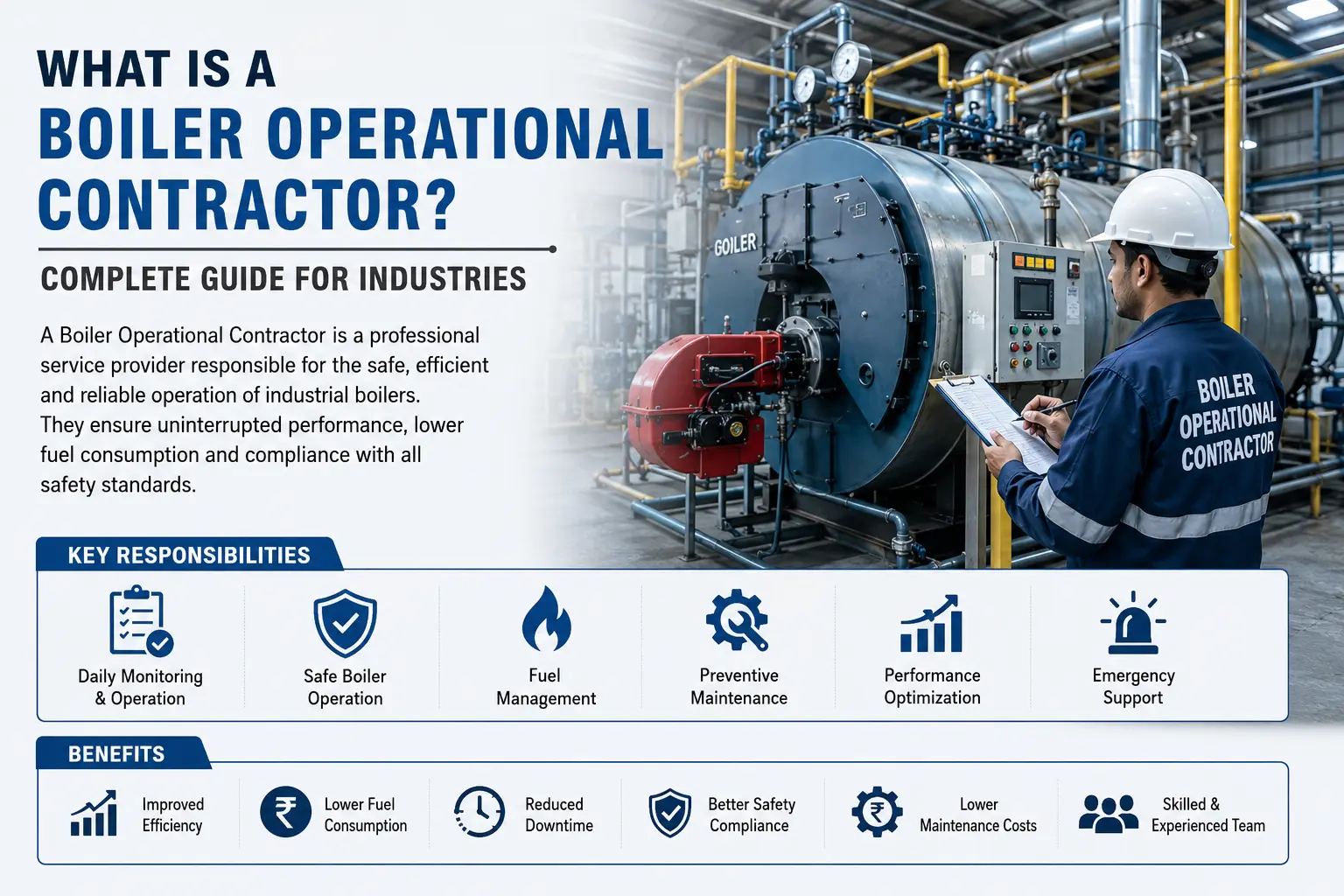
What is a Boiler Operational Contractor? Complete Guide for Industries
Industrial boilers play a critical role in powering manufacturing plants, chemical industries, food processing units, textile factories, paper mills, and […]
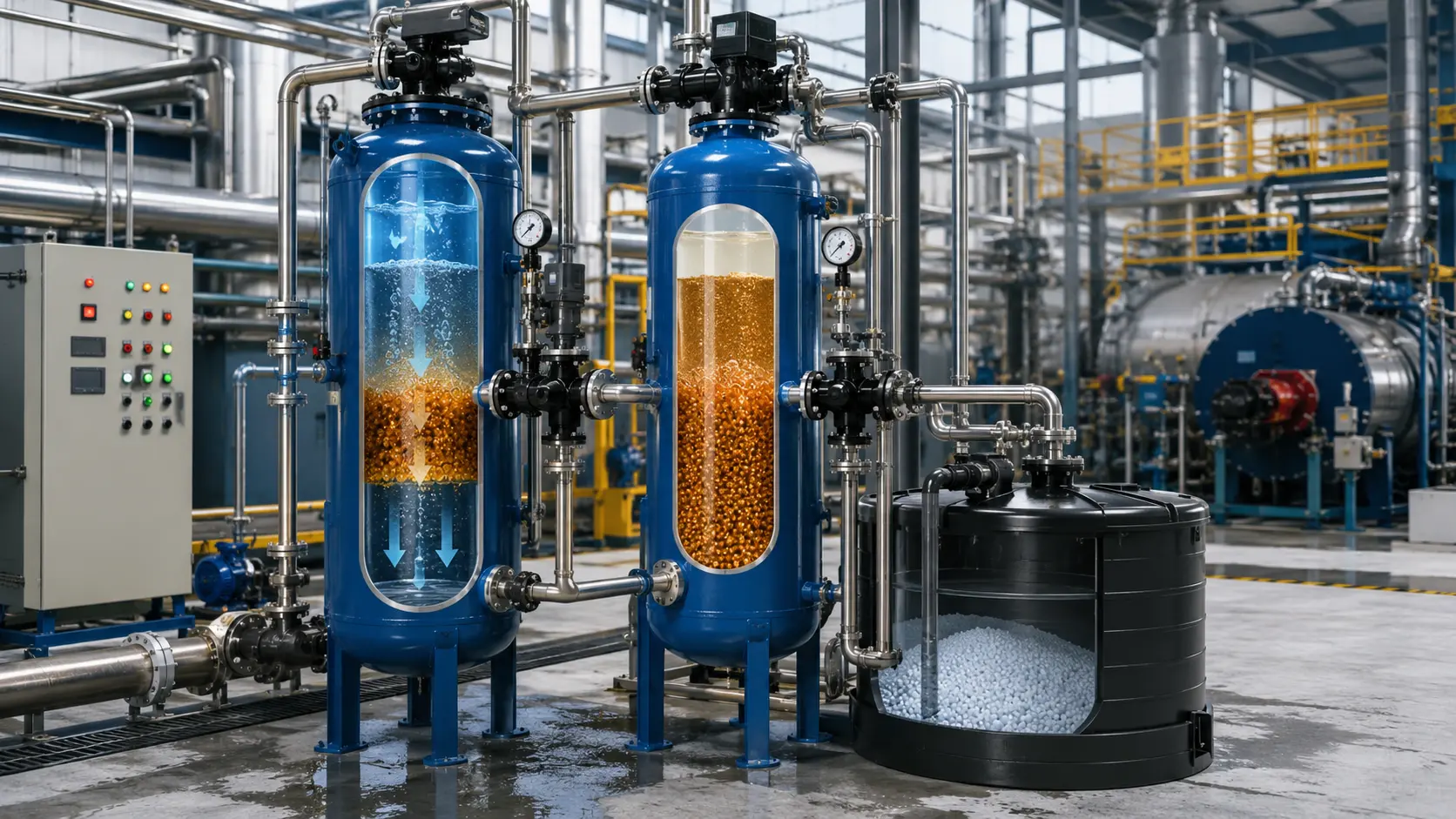
Ion Exchange Resin Regeneration Process Explained
A water softener works until the resin runs out of sodium to trade. After that, it stops removing hardness and […]
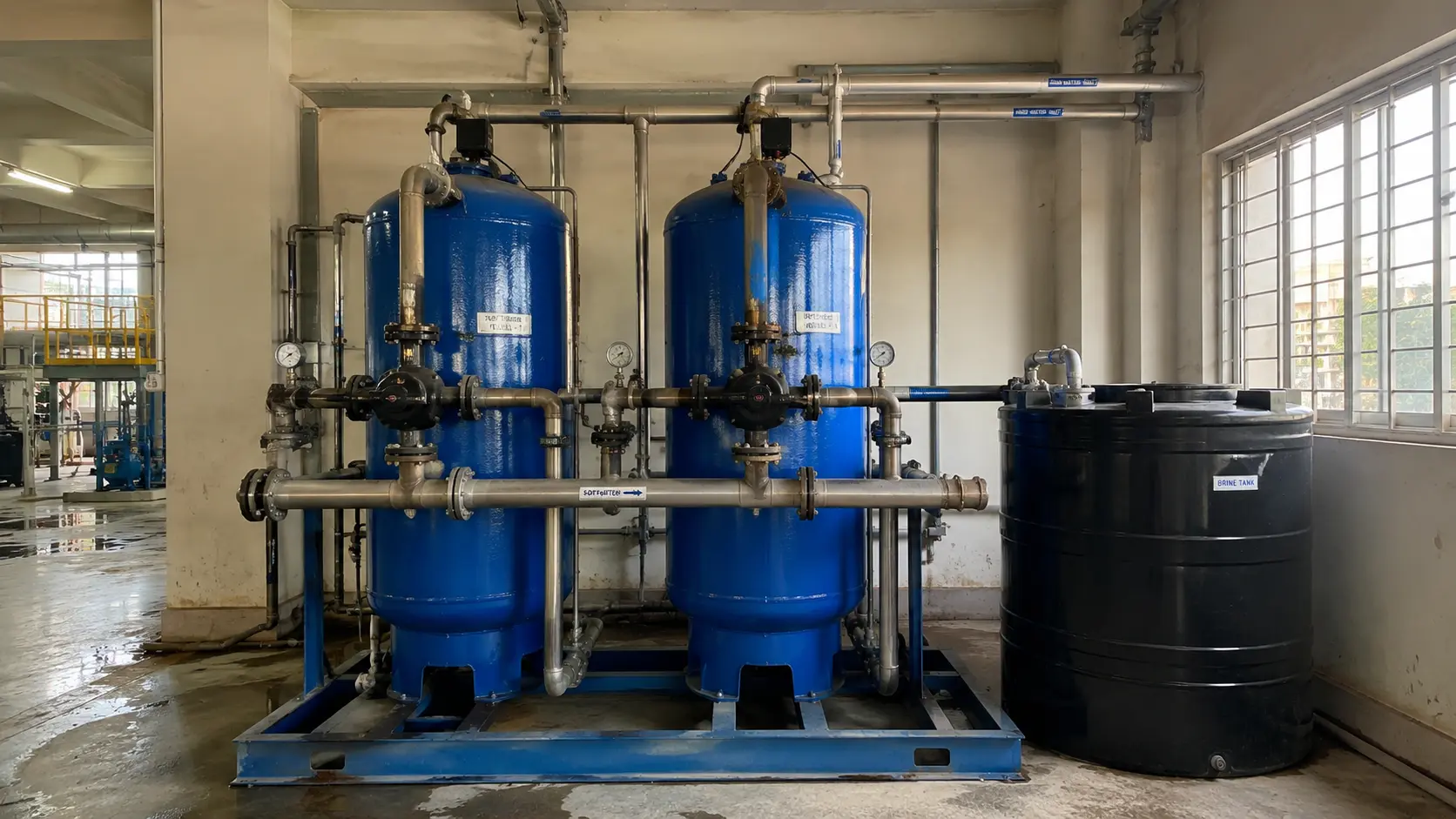
Water Softener Plant vs. RO Plant: Which Water Treatment System Is Right for Your Industry?
Plants often ask us for an RO plant when what they need is a softener and sometimes the other way […]
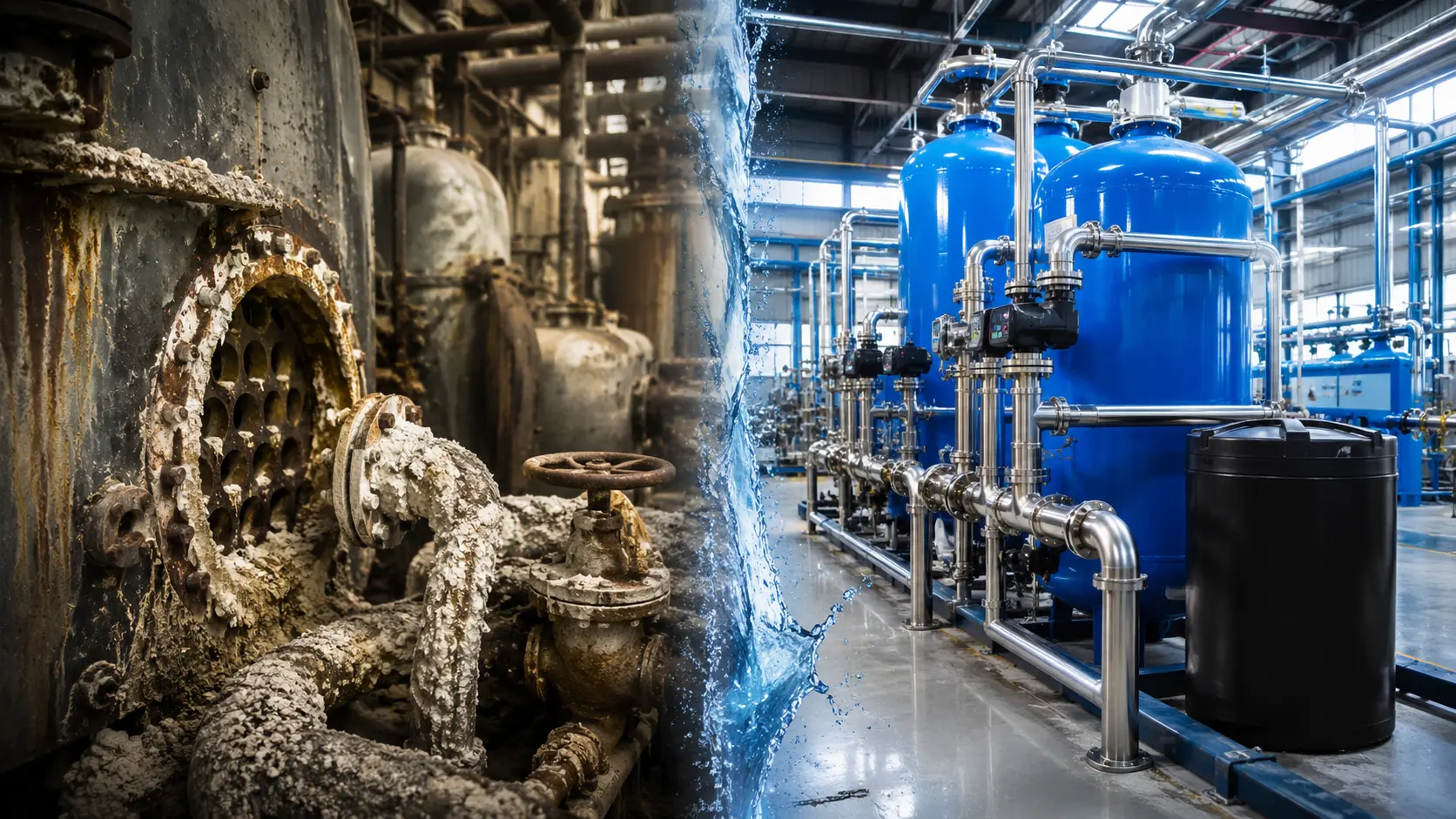
What Is Hard Water? Causes, Effects and Industrial Solutions
If your boiler is burning more fuel than it should, or your cooling tower needs cleaning more often than it […]
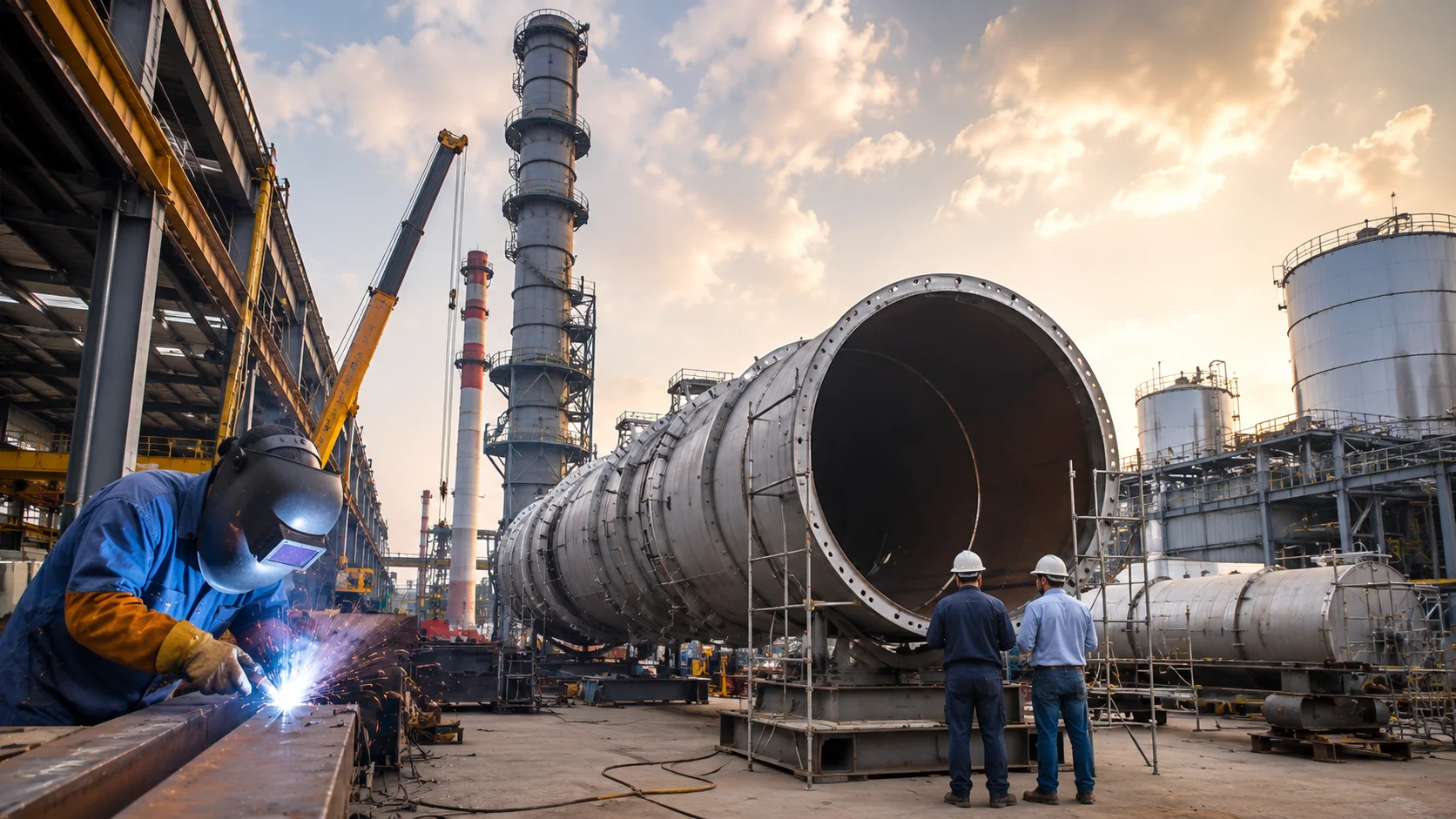
Industrial Chimney Fabrication: Design and Applications
Industrial chimneys are among the most critical components of manufacturing plants, power generation facilities, processing industries, and heavy engineering operations. […]
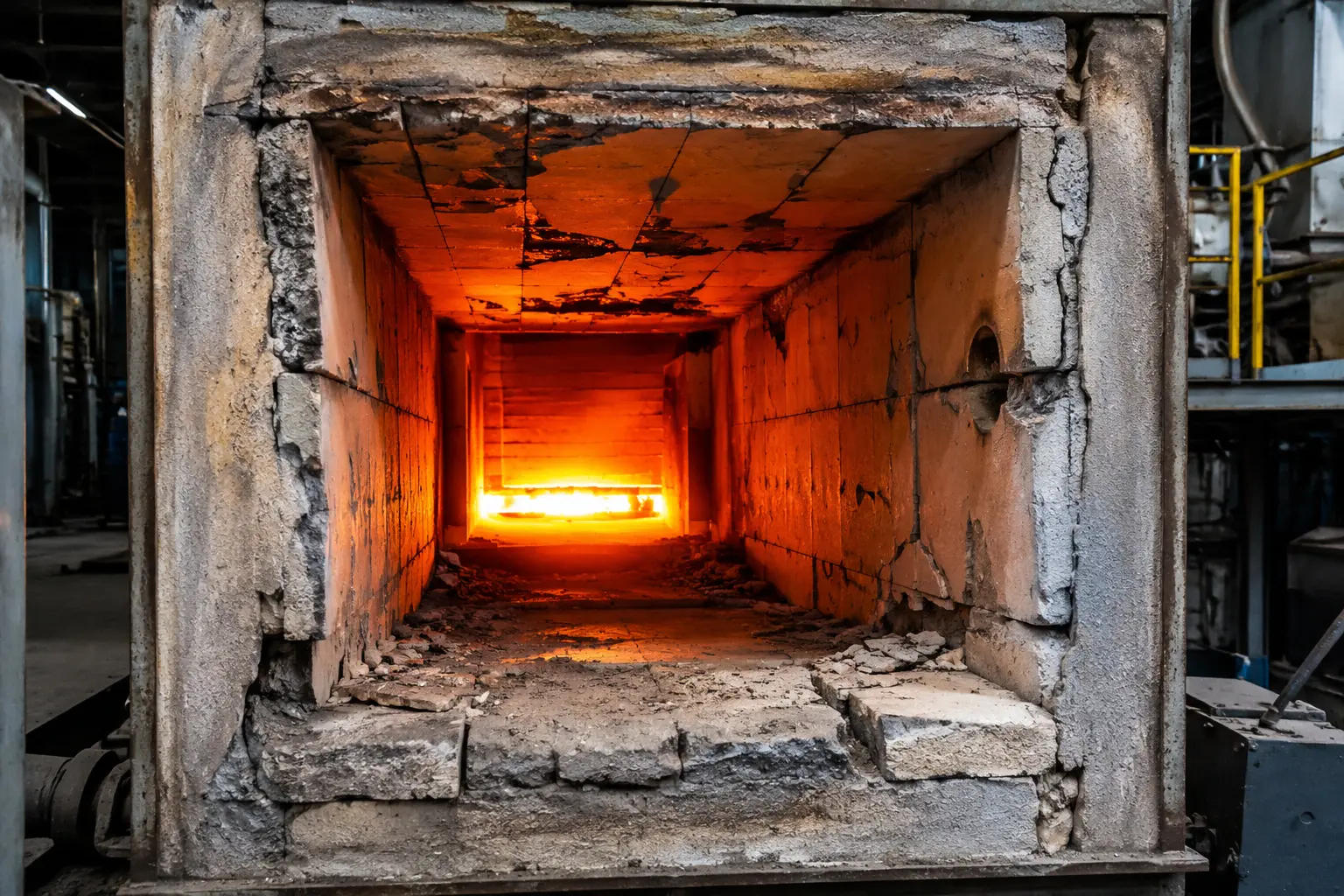
Common Causes of Refractory Failure in Industrial Furnaces
Industrial furnaces are subject to severe operating environments, including constant exposure to high temperatures, thermal cycling, mechanical erosion, and chemical […]