In high-temperature industrial operations, furnaces are the backbone of production processes. Whether in steel manufacturing, cement plants, glass production, power generation, or chemical processing, furnaces operate under extreme thermal and mechanical stress every day. While many industries focus on furnace design, fuel efficiency, and operational practices, one critical factor often determines long-term performance and profitability: the quality of refractory materials.
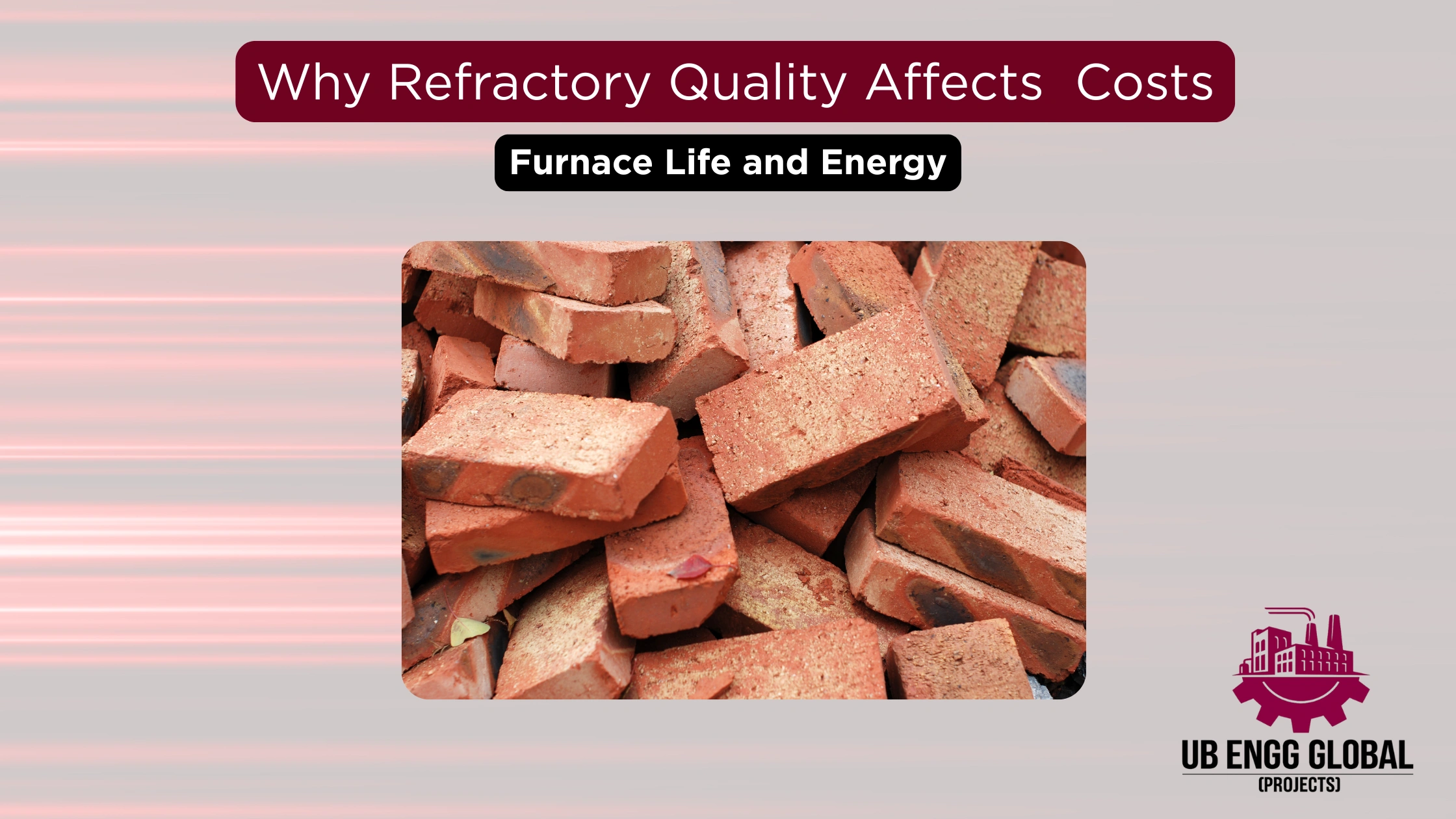
Refractories are specialized heat-resistant materials used to line furnaces, kilns, boilers, ladles, and reactors. Their primary role is to withstand extreme temperatures, resist chemical attack, and provide thermal insulation. High-quality refractories not only protect furnace structures but also directly impact furnace lifespan, operational efficiency, maintenance frequency, and overall energy consumption. Industries that invest in premium refractory solutions often experience lower operating costs, improved productivity, and extended equipment life.
Understanding the Role of Refractories in Industrial Furnaces
A furnace lining serves as the first line of defense against intense heat, thermal shock, abrasion, and corrosive chemicals. Refractory materials are designed to maintain structural integrity even when exposed to temperatures exceeding 1,500°C in many industrial applications. Their performance determines how effectively a furnace retains heat and protects its steel shell from damage.
Industries such as steel, cement, glass, petrochemicals, and power generation rely heavily on refractory linings to ensure safe and efficient operation. The quality of these materials plays a significant role in maintaining stable production conditions and minimizing unexpected shutdowns.
How Refractory Quality Influences Furnace Life
1. Superior Resistance to Thermal Shock
Industrial furnaces frequently experience rapid heating and cooling cycles. Poor-quality refractory materials often develop cracks under these conditions due to thermal shock. Once cracks appear, heat escapes, structural damage accelerates, and the lining deteriorates quickly.
High-quality refractories are engineered to handle repeated temperature fluctuations without losing strength. Their superior thermal shock resistance reduces cracking, extends lining life, and helps maintain furnace integrity for longer periods.
2. Enhanced Protection Against Chemical Attack
Many industrial processes generate aggressive slags, molten metals, gases, and chemicals that can corrode furnace linings. Inferior refractory materials may react with these substances, leading to erosion and premature failure.
Premium refractory products are specifically formulated to resist chemical corrosion, allowing them to maintain their performance even in highly demanding environments. This resistance significantly increases furnace longevity while reducing repair requirements.
3. Better Mechanical Strength
Furnace linings are exposed to constant wear from material movement, abrasion, and operational stress. Weak refractory materials can chip, crack, or collapse under these conditions.
High-grade refractories offer excellent mechanical strength and abrasion resistance, ensuring that furnace linings remain stable throughout prolonged production cycles. This reduces the likelihood of unexpected breakdowns and costly maintenance interruptions.
4. Reduced Maintenance and Downtime
Frequent refractory failures force industries to stop production for repairs or relining. Every shutdown affects productivity and increases operational costs.
By investing in quality refractory materials, companies can significantly reduce maintenance frequency and extend intervals between shutdowns. Longer service life translates into greater operational reliability and improved plant efficiency.
The Connection Between Refractory Quality and Energy Costs
While furnace life is important, energy consumption is often one of the largest operating expenses in industrial facilities. Refractory quality directly impacts how efficiently a furnace retains and utilizes heat.
1. Improved Thermal Insulation
One of the primary functions of refractory materials is thermal insulation. High-quality refractories have lower thermal conductivity, meaning they prevent heat from escaping through furnace walls.
When heat loss is minimized, less fuel is required to maintain operating temperatures. This translates directly into reduced energy consumption and lower fuel costs. Over time, these savings can far exceed the initial investment in premium refractory materials.
2. Consistent Temperature Distribution
Poor refractory quality often results in uneven heat distribution within the furnace. Hot spots and cold spots can develop, forcing operators to use additional fuel to compensate for inefficiencies.
Premium refractory linings help maintain uniform temperature profiles, allowing furnaces to operate at optimal efficiency. Consistent heating improves product quality while reducing unnecessary energy usage.
3. Reduced Heat Loss Through Cracks and Gaps
As refractory linings age, low-quality materials are more likely to develop cracks and gaps. These defects create pathways for heat loss, making furnaces less efficient and increasing fuel consumption.
High-quality refractory systems maintain their structural integrity for longer periods, reducing heat leakage and preserving thermal efficiency throughout their service life.
4. Faster Heat-Up and Production Cycles
Modern refractory materials are designed to optimize heat retention and transfer. This allows furnaces to reach operating temperatures more quickly and maintain stable conditions with less energy input.
The result is faster production cycles, reduced energy waste, and improved throughput, all of which contribute to greater profitability.
The Hidden Costs of Low-Quality Refractories
Many businesses choose lower-cost refractory materials to reduce initial project expenses. However, this approach often results in significantly higher long-term costs.
Common consequences of poor-quality refractories include:
- Increased fuel consumption due to excessive heat loss.
- Frequent maintenance and repair expenses.
- Higher downtime and production losses.
- Reduced furnace lifespan.
- Increased safety risks.
- Lower product quality due to inconsistent temperatures.
When these factors are considered, low-cost refractory solutions often become far more expensive than investing in high-performance materials from the beginning.
Choosing the Right Refractory Partner
Selecting the right refractory material is only part of the equation. Working with an experienced supplier ensures proper material selection, installation, and ongoing technical support.
A reliable refractory partner evaluates operating temperatures, chemical exposure, thermal cycling conditions, and mechanical stresses before recommending the most suitable solution. This application-focused approach helps maximize furnace life while optimizing energy efficiency.
Conclusion
The quality of refractory materials has a direct and measurable impact on furnace performance, equipment lifespan, and energy consumption. High-quality refractories provide superior thermal insulation, chemical resistance, mechanical strength, and durability, resulting in lower operating costs and improved production efficiency.
For industries that depend on high-temperature processes, refractory quality should never be viewed as an expense—it is a strategic investment. By choosing premium refractory solutions, businesses can extend furnace life, reduce maintenance downtime, lower energy bills, and achieve greater operational reliability for years to come.
Partner with UB Engineering Global for Reliable Refractory Solutions
Looking for high-performance refractory materials that improve furnace efficiency and reduce operating costs? UB Engineering Global delivers trusted refractory solutions designed for steel, cement, chemical, manufacturing, and other high-temperature industries. With decades of expertise, premium-quality products, and a commitment to operational excellence, we help businesses maximize furnace life while optimizing energy efficiency.
Visit UB Engineering Global today to explore our range of refractory materials and discover how our solutions can support your industrial operations.