Industrial furnaces, boilers, thermopacs, kilns, incinerators, and other high-temperature equipment operate under demanding conditions. Continuous exposure to heat, abrasion, thermal cycling, and chemical attack can gradually weaken refractory linings if the right materials and installation practices are not used.
As a refractory works contractor in India, UB ENGG Global Projects provides refractory installation, refractory lining, refractory repair, and refractory maintenance services for industries that depend on reliable high-temperature operations. The company supports industrial clients with refractory solutions designed for operational efficiency, equipment protection, and long-term service performance.
Refractory systems play an important role in protecting equipment shells from excessive heat, reducing energy losses, and maintaining stable operating conditions. Proper refractory selection and installation can significantly influence equipment reliability, maintenance schedules, and overall plant performance.
UB ENGG Global Projects is an ISO Certified company serving industrial sectors since 2001 as a manufacturer, fabricator, supplier, and operational contractor. Along with refractory works, the company is involved in refractory materials, fire bricks, acid resistant materials, fabrication services, boiler operations, thermopac operations, DM plant operations, and industrial support solutions.
What Is Refractory Work?
Refractory work involves the installation, repair, maintenance, and replacement of heat-resistant lining systems used inside equipment operating at elevated temperatures.
These lining systems are designed to withstand:
- High temperatures
- Thermal shock
- Abrasion
- Mechanical stress
- Chemical attack
- Corrosive environments
Refractory systems are commonly installed in:
- Industrial furnaces
- Boilers
- Thermopacs
- Rotary kilns
- Hot air generators
- Incinerators
- Chimneys
- Combustion chambers
A properly installed refractory lining helps maintain temperature control, protects equipment structures, reduces heat losses, and contributes to safer plant operations.
The scope of refractory work may include demolition of damaged lining, surface preparation, installation of new refractory materials, dry-out procedures, inspection, and maintenance support.
Industrial Refractory Services We Offer
UB ENGG Global Projects provides refractory installation and maintenance services for various industrial applications.
Refractory Brick Lining
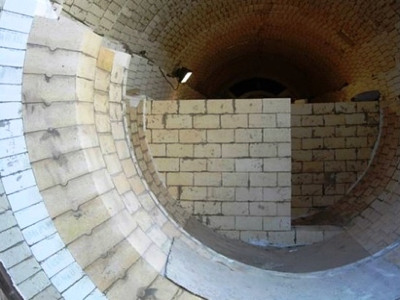
Fire bricks and high alumina bricks remain widely used in industrial heating systems because of their heat resistance and structural stability.
Refractory brick lining work generally includes:
- Fire brick installation
- High alumina brick lining
- Furnace wall lining
- Boiler refractory lining
- Kiln brickwork
- Refractory mortar application
- Expansion joint preparation
Proper brick selection depends on operating temperature, fuel type, process conditions, and mechanical loading requirements.
Castable Refractory Installation
Many industrial systems use monolithic refractory and refractory castables where brick lining may not be practical.
Castable refractory installation may involve:
- Dense castables
- Insulating castables
- Wear-resistant castables
- Boiler castables
- Burner area castables
- Cyclone lining applications
The installation process requires careful control of water addition, mixing procedures, placement methods, curing conditions, and dry-out schedules.
Improper installation can reduce refractory life even when quality materials are used.
Furnace Refractory Work
Industrial furnaces operate under severe thermal conditions. Refractory failure inside furnace systems can increase fuel consumption, create hot spots, and lead to unplanned shutdowns.
Furnace refractory services include:
- Furnace lining installation
- Refractory replacement
- Furnace repair work
- Hot face lining repairs
- Ceramic fiber insulation installation
- Furnace shutdown maintenance
Different furnace designs require different refractory systems depending on process temperatures and operating cycles.
Boiler Refractory Work
Boiler refractory systems protect equipment from excessive temperatures and improve thermal efficiency.
Boiler refractory work may include:
- Boiler lining installation
- Refractory castable application
- Burner throat repairs
- Furnace floor repairs
- Boiler refractory replacement
- Shutdown maintenance support
Routine inspection and maintenance can help identify damaged areas before they develop into major operational issues.
Thermopac Refractory Work
Thermopacs operate under continuous heat exposure and depend on refractory linings for efficient operation.
Thermopac refractory services may include:
- Thermopac lining repairs
- Castable replacement
- Hot face repairs
- Ceramic fiber insulation work
- Refractory inspection
- Planned shutdown maintenance
The condition of the refractory lining directly affects heat retention and equipment performance.
Kiln Refractory Work
Kilns are widely used in manufacturing processes that involve continuous thermal operations.
Kiln refractory work may include:
- Kiln lining installation
- Brick replacement
- Castable repairs
- Refractory maintenance
- Kiln shutdown support
- Thermal insulation upgrades
Kiln lining systems often experience thermal cycling, abrasion, and chemical attack, making regular inspections essential.
Types of Refractory Materials Used
The performance of a refractory system depends heavily on material selection.
Common refractory materials used in industrial applications include:
Fire Bricks
Fire bricks are designed for high-temperature applications and are widely used in furnace and boiler linings.
High Alumina Bricks
High alumina bricks provide improved resistance to heat, abrasion, and mechanical stress in demanding operating environments.
Refractory Castables
Refractory castables are monolithic materials used where brick installation is difficult or where complex shapes are involved.
Refractory Mortars
Refractory mortar is used for joining refractory bricks and maintaining lining integrity.
Ceramic Fiber Insulation
Ceramic fiber products provide lightweight thermal insulation and are commonly used for heat conservation applications.
Insulating Refractories
Insulating materials reduce heat transfer and improve energy efficiency in industrial heating systems.
Industries We Serve
Refractory systems are used across a wide range of industries.
Industries that commonly require refractory installation and maintenance include:
- Steel Industry
- Foundries
- Cement Industry
- Chemical Industry
- Textile Industry
- Paper Industry
- Power Generation Facilities
- Glass Manufacturing Units
- Process Industries
- Industrial Manufacturing Plants
Each industry presents unique operating conditions, temperature ranges, and maintenance requirements that influence refractory selection and installation practices.
Our Refractory Installation Process
Successful refractory performance begins long before installation starts.
Site Assessment
The process starts with an evaluation of operating conditions, equipment design, existing refractory condition, and service requirements.
Material Selection
Material selection depends on:
- Operating temperature
- Process environment
- Abrasion levels
- Chemical exposure
- Thermal cycling conditions
Surface Preparation
Existing damaged refractory is removed and surfaces are prepared before new installation begins.
Installation
The selected refractory system is installed according to application requirements, whether brick lining, castable refractory, or ceramic fiber insulation.
Curing and Dry-Out
Controlled curing and dry-out procedures are important for achieving proper refractory performance and minimizing premature failures.
Inspection
Final inspections verify installation quality and readiness for operation.
Common Refractory Problems We Help Solve
Refractory systems operate in demanding environments where temperature fluctuations, mechanical loading, and process conditions can gradually affect lining performance. Identifying problems early can reduce downtime and prevent costly repairs.
Thermal Shock Damage
Thermal shock occurs when refractory materials experience rapid temperature changes. Repeated heating and cooling cycles can cause cracking, spalling, and structural deterioration.
This issue is commonly observed in:
- Industrial furnaces
- Boilers
- Thermopacs
- Kilns
- Incinerators
Material selection and proper installation practices play an important role in improving thermal shock resistance.
Abrasion and Mechanical Wear
Many industrial processes involve continuous movement of solids, ash, clinker, dust, or abrasive materials.
Over time, this can result in:
- Surface erosion
- Reduced lining thickness
- Localized wear zones
- Exposure of underlying layers
Wear-resistant refractory materials are often selected for areas exposed to severe abrasion.
Chemical Attack and Corrosion
Certain operating environments contain gases, chemicals, or process materials that react with refractory linings.
Chemical attack can cause:
- Loss of lining strength
- Surface degradation
- Structural instability
- Reduced service life
Selecting refractory materials compatible with the process environment is essential.
Hot Spots on Equipment Shells
Hot spots may indicate:
- Lining failure
- Insulation damage
- Refractory cracks
- Material shrinkage
- Voids within the lining system
Early inspection and corrective action can prevent more extensive damage.
Premature Refractory Failure
In many cases, refractory failure is linked to:
- Improper material selection
- Incorrect installation practices
- Inadequate curing
- Improper dry-out procedures
- Lack of routine inspections
Addressing these factors improves lining performance and operational reliability.
Unplanned Shutdowns
Unexpected refractory damage can lead to production interruptions and maintenance challenges.
Regular refractory inspection programs help identify potential issues before they develop into major shutdown events.
Benefits of Professional Refractory Installation
The quality of refractory installation directly affects equipment performance, maintenance frequency, and operational efficiency.
Improved Equipment Protection
A properly installed refractory lining protects equipment shells and structural components from excessive temperatures.
Better Thermal Efficiency
Well-designed refractory systems reduce heat losses and improve heat retention within the process environment.
This contributes to:
- Lower fuel consumption
- More consistent process temperatures
- Improved operating efficiency
Extended Service Life
Proper installation procedures help maximize refractory life and reduce the frequency of replacement work.
Reduced Maintenance Requirements
Correct material selection and installation reduce the likelihood of premature repairs and emergency maintenance.
Enhanced Operational Safety
Maintaining refractory integrity contributes to safer operating conditions by minimizing the risk of excessive shell temperatures and lining failures.
Planned Maintenance Scheduling
Regular inspection and maintenance programs allow facilities to plan shutdown activities more effectively and reduce unexpected disruptions.
Industry Experience & Company Background
UB ENGG Global Projects has been serving industrial sectors since 2001 as a manufacturer, fabricator, supplier, and operational contractor.
The company is involved in multiple industrial disciplines including:
- Refractory Materials
- Fire Bricks
- Acid Resistant Materials
- SS Fabrication
- MS Fabrication
- Tanks
- Vessels
- Nozzles
- Chimneys
- Boiler Operations
- Thermopac Operations
- DM Plant Operations
- Fire Fighting Lines
This exposure to various industrial systems provides practical understanding of the operating environments where refractory solutions are commonly applied.
Industrial heating systems often interact with multiple plant components including boilers, thermopacs, chimneys, storage systems, and process equipment. Understanding these interconnected systems helps ensure that refractory work aligns with operational requirements and maintenance objectives.
The company’s involvement across manufacturing, fabrication, supply, and operational support activities contributes to a broader understanding of industrial plant requirements.
Why Choose UB ENGG Global
Selecting a refractory works contractor involves more than choosing a material supplier. The effectiveness of a refractory system depends on planning, installation quality, material selection, and maintenance support.
UB ENGG Global Projects supports industrial clients with:
Industrial Sector Experience
Serving industrial sectors since 2001.
Refractory Material Knowledge
Understanding of fire bricks, high alumina bricks, refractory castables, refractory mortars, ceramic fiber insulation, and related refractory systems.
Installation and Maintenance Support
Support for refractory installation, refractory repair, refractory replacement, and maintenance requirements.
Multi-Disciplinary Industrial Capabilities
Experience across refractory solutions, fabrication services, operational contracting, and industrial support systems.
Focus on Application Requirements
Material selection and installation practices are aligned with operating conditions, process temperatures, and equipment requirements.
Commitment to Quality and Safety
Refractory installation activities require attention to workmanship, safety practices, inspection procedures, and maintenance planning.
Frequently Asked Questions
What does a refractory works contractor do?
A refractory works contractor installs, repairs, replaces, and maintains refractory linings used in furnaces, boilers, thermopacs, kilns, and other high-temperature industrial equipment.
What are refractory materials?
Refractory materials are heat-resistant products designed to withstand high temperatures, thermal shock, abrasion, and chemical exposure in industrial applications.
Why is refractory lining important?
Refractory lining protects equipment from heat damage, improves thermal efficiency, reduces heat loss, and supports safe operation of industrial heating systems.
Which industries require refractory work?
Steel, cement, foundry, chemical, textile, paper, glass, power generation, and manufacturing industries commonly use refractory systems.
What causes refractory failure?
Common causes include thermal shock, abrasion, corrosion, mechanical wear, improper installation, incorrect material selection, and inadequate maintenance.
What is castable refractory?
Castable refractory is a monolithic refractory material that can be mixed and placed into position to form a durable heat-resistant lining.
How often should refractory systems be inspected?
Inspection frequency depends on operating conditions, equipment type, temperature exposure, and maintenance schedules. Regular inspections help identify wear and damage before major failures occur.
What is refractory maintenance?
Refractory maintenance includes inspection, repair, replacement of damaged sections, hot spot correction, shutdown maintenance, and performance monitoring.
What is the role of ceramic fiber insulation?
Ceramic fiber insulation reduces heat transfer, improves thermal efficiency, and supports temperature control in industrial heating systems.
Can refractory lining improve energy efficiency?
Yes. Proper refractory installation reduces heat losses and improves heat retention, which can contribute to more efficient operation of industrial heating equipment.